Grateful Gardening
Home gardening itself is already a fun and therapeutic activity. We can embrace the power of nature to give us our daily dose of motivation, hope and inspiration. We can add an element of gratitude to gardening by appreciating mother earth and nature.
This would be the very first step for grateful gardening - appreciating mother earth by not contributing to more carbon footprint, on the contrary, let’s see what we can save from the landfill!
By just looking around to see what we already have, we can find lots of items we can use or repurpose into planters, pots and decoration items. If you have exhausted the items you can use, check with family members that do not live with you, neighbours or friends, if they have anything they no longer need that you can use for gardening. There are many freecycling groups you can join to adopt items that someone else is giving away. You can also join a plant swap group to exchange plants, pots, gardening items. And if you still cannot find what you need, check on a buy/sell group or marketplace where you can buy a used item. Leave buying something new as the very last resort.
Plan ahead before you start planting.....which plants can you put to good use?
Ornamental plants are great for decoration and beautifying our house and garden. There are many plants with lovely flowers and those with colorful leaves that can brighten the mood.
Let’s also look at what plants can be useful to us - if you have the space and sunlight, you can try planting the vegetables and fruits you will consume. Hydroponics with grow lights is an option if you want to grow your food indoors. You will be in control of what goes into your food!
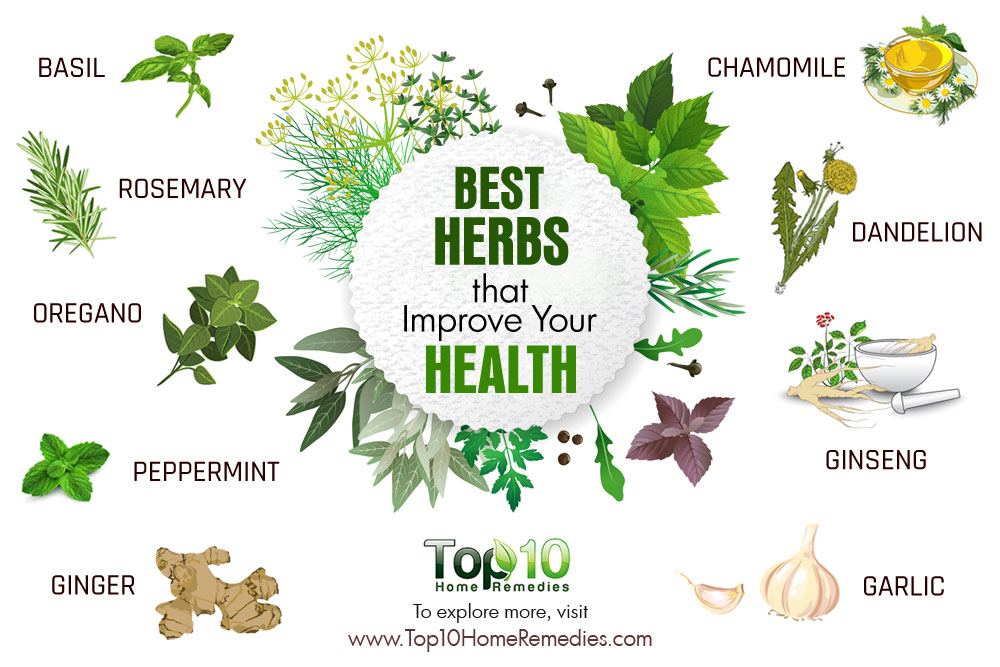
Herbs are great for marinating, cooking and garnishing with. Choose the ones that you will use often as it will be more economical and reduce waste as you can harvest what you need for the day and not buy a bunch that you might not finish using. You will notice that herbs directly from the garden are a lot fresher and make a whole lot of difference to the flavor and nutrition of your food!
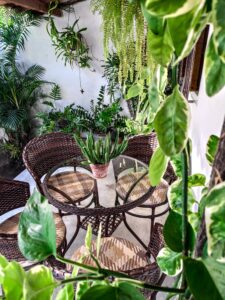

Most herbs have a variety of health benefits and can come in handy for home remedies and general wellbeing.
We recommend this article by Top 10 Home Remedies Team for the best herbs that improve your health. Read article here
Sun
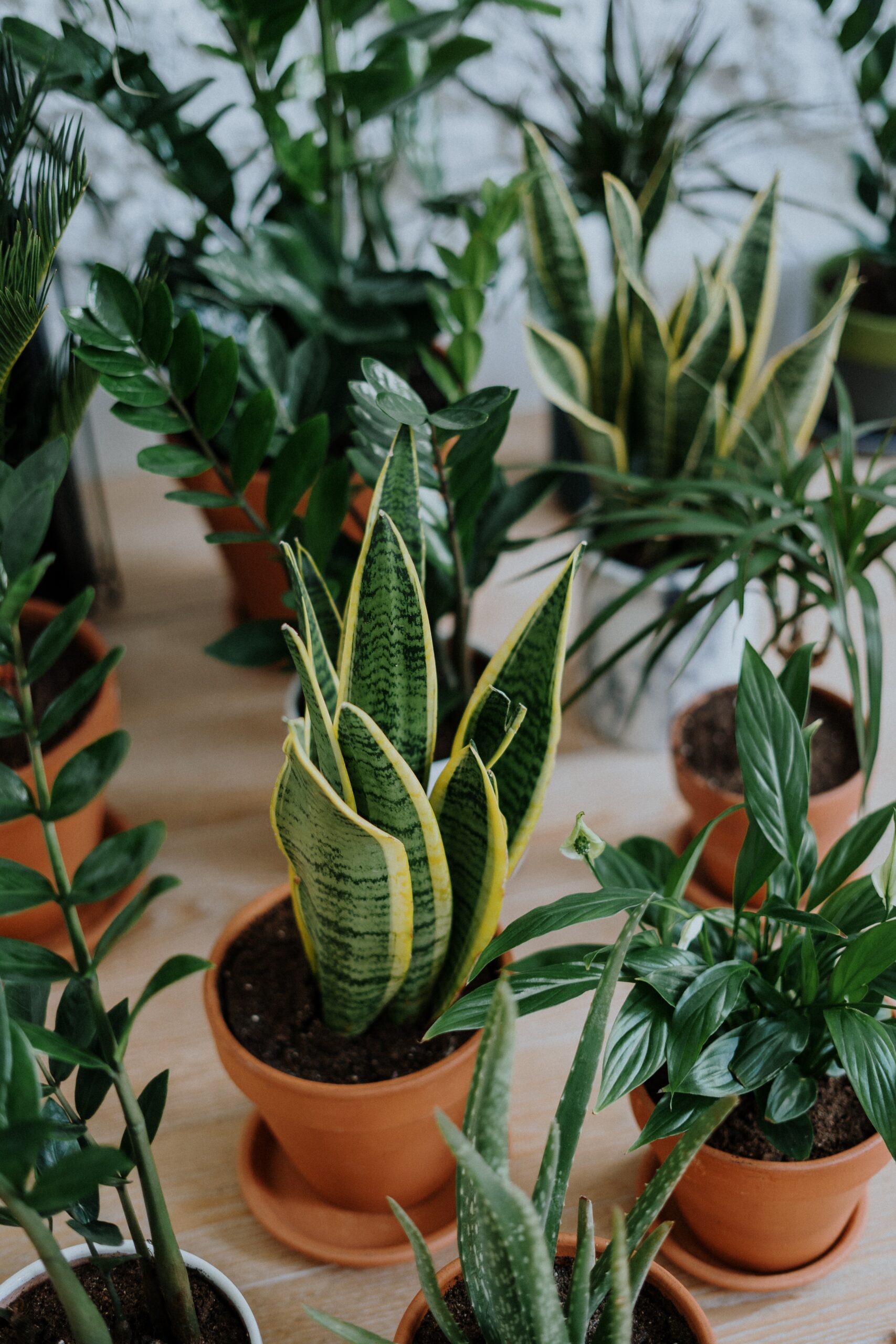
Check if the plants require full sun/partial sun/full shade. If sunlight is an issue, you can consider hardier indoor plants that can tolerate low light such as ZZ Plant (Zamioculcas zamiifolia), Snake Plant (Sanseviara), Pothos (Epipremnum aureum). Other options are Chinese Evergreen, Cast Iron Plant, Monstera and many others. You can easily check for more information on the internet.
Water
Check for water requirements - daily, twice daily, once a week or water when top soil is dry. A common problem is overwatering the plants causing the roots to rot.
Space
If you do not have a garden, balcony or corridor, you can grow your plants in pots/containers near a glass window where you can get bright sunlight for a few hours a day. Bright sun is good but direct sun that is too strong can also kill your plants. If you are planting indoors and not getting sufficient sunlight, then you can consider using grow lights. There are also many successful gardening done with hydroponics indoors. Of course, using natural sunlight is the most sustainable option.
Companion plants and enemies
Many plants can be planted together as they benefit each other in terms of nutrient supply and uptake, increases crop production, encourages pollination and helps repel garden pests. A common pair is tomato and basil, where tomatoes seemingly have a better flavor and basil helps to repel pests
Some plants cannot be planted together with others as they may stunt the growth of the other plants(eg fennel). Do take note of plants that are invasive such as mints, so it is better to plant them in pots.
Some Grateful Gardeners & their stories